
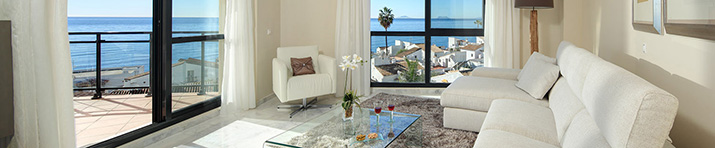
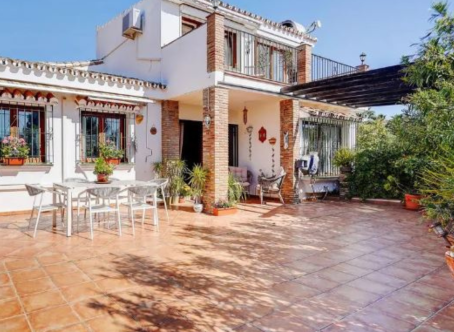
A resale property Spain buyers can view today often tells you far more than an off-plan brochure ever could. You can stand on the terrace, check the light at different times of day, walk to the nearest shops or beach, and get a real feel for the area before making a decision. For many British buyers, that makes resale the more comfortable route – especially when the goal is a safe, trouble-free and cost-effective purchase.
That does not mean every resale home is the right fit. Some are excellent value and ready to enjoy from day one. Others need updating, carry higher running costs, or sit in communities that do not suit your lifestyle. The key is knowing what to look at beyond the photos.
Why resale property Spain appeals to British buyers
Resale homes are popular for good reason. In established areas such as Costa Blanca North, Costa Blanca South, Costa Calida, Costa del Sol, Marbella and Costa Almeria, they often place you in mature neighbourhoods rather than brand-new developments still finding their feet. That can mean better surroundings, proven rental demand in holiday locations, and a clearer picture of what daily life will actually look like.
There is also the practical side. A resale flat, townhouse or villa usually already has the basics in place. You can see the exact property, not a plan. In many cases, kitchens, bathrooms, terraces, window coverings and air conditioning are already installed. Some homes are sold furnished or partly furnished, which can reduce your setup costs if you want to start using the property quickly.
For retirement buyers or couples planning regular long stays, that certainty matters. You are not trying to imagine whether the view will be blocked, whether the road will be noisy, or whether the pool area will be finished on time. You can inspect what exists now.
The trade-off with Spanish resale property
Resale is not automatically better value than new build. Sometimes it is, sometimes it is not. A well-located resale bungalow five minutes from the sea may command a premium because there is very little comparable stock available. Equally, an older villa inland may look attractively priced but need substantial work on electrics, plumbing, insulation or glazing.
That is why headline price is only part of the picture. A cheaper property can become expensive if it needs modernising or if community fees and local taxes are higher than expected. On the other hand, paying a little more for a well-kept home in the right area can save money, stress and time.
Buyers also need to be realistic about style. Many resale properties in Spain reflect the period when they were built. Some have smaller kitchens, older tiling or layouts that feel dated compared with newer developments. For some people, that is a drawback. For others, it is an opportunity to buy location first and improve the cosmetic side later.
What to check before you offer
When viewing resale property in Spain, it helps to look beyond the obvious finishes. A property may present beautifully but still raise questions once you look at the paperwork, running costs and condition more closely.
Start with the location at ground level, not just on a map. Is the walk to amenities manageable? Does the area feel lively all year or mainly seasonal? If you are buying for winter stays or retirement, an attractive summer resort can feel very different in January.
Inside the property, pay attention to natural light, storage, noise and access. Stairs, parking distance and steep roads may not matter for a short holiday, but they matter a great deal if you plan longer stays or later-life use. If the property is in a community, ask how well the communal areas are maintained. Tidy gardens and clean pool zones usually tell you something useful about overall management.
Then there is the legal side, which should always be checked independently. You need clarity on ownership, debts, community charges, boundaries, planning status and whether any alterations were properly authorised. This is one area where experienced guidance is invaluable, because small issues can become expensive ones if they are missed.
Costs that catch buyers out
Most British buyers expect purchase tax and legal fees, but resale purchases in Spain still bring a few surprises if you are not prepared. The purchase price is not the full budget.
You will need to allow for transfer tax, legal costs, notary and land registry fees, and often some immediate spend after completion. That could be as simple as changing locks and setting up utilities, or as significant as replacing appliances, updating bathrooms or buying furniture.
Currency movement matters too. A change in the pound-to-euro rate between paying a reservation fee and completing can alter your final sterling cost more than many buyers realise. That is why a sensible buying plan should include currency support as well as property advice.
Ongoing costs also deserve attention. Community fees vary widely. So do IBI rates, rubbish collection charges, insurance and maintenance costs for pools or gardens. A detached villa with land can be a very different ownership experience from a lock-up-and-leave flat on a managed resort.
Best areas for resale homes in Spain
The right area depends on how you want to use the property. There is no single best region for everyone.
Costa Blanca South is often popular with buyers who want value, strong expat communities and easy access to beaches, golf and airports. Costa Blanca North tends to appeal to those looking for a greener landscape, attractive coastal towns and a slightly different feel, often with higher prices in prime spots.
Costa Calida and Murcia can offer excellent value and a more relaxed pace, with golf developments and coastal locations attracting both holiday-home and retirement buyers. Costa del Sol and Marbella remain strong choices for buyers who want an established international market, broad amenities and year-round activity, though budgets usually need to stretch further. Costa Almeria can suit those seeking something less crowded and often more affordable.
This is where a guided search really helps. Two properties at the same price point in different regions can offer completely different lifestyles, resale prospects and annual costs.
How viewings should work
A good viewing trip should narrow your options, not overwhelm you. Too many buyers try to see everything and end up more confused than when they started.
It is far better to begin with a clear brief based on budget, preferred area, property type and intended use. Are you looking for a holiday flat near restaurants, a golf property with rental appeal, or a villa for long-term living? Those are very different searches.
Once that brief is in place, view a sensible number of properties and compare them honestly. Which one felt right when you arrived? Which area would still suit you in winter? Which home would need extra money spent immediately? A property is never just the square metres – it is the setting, practicality and confidence you feel around the purchase.
For many UK buyers, having support from a company that understands both the Spanish market and British concerns makes the whole process easier. Your Place in Spain, for example, focuses on helping buyers filter the noise, arrange suitable viewings and move forward with proper legal and buying support rather than simply sending endless listings.
Common mistakes with resale property Spain purchases
One of the biggest mistakes is falling for a property before understanding the area. Another is focusing only on the asking price without checking total buying costs and likely upgrades.
Buyers also sometimes assume that because a home has been lived in for years, all paperwork must be in order. That is not always the case. Extensions, terraces, pools and internal changes all need proper checking. It is also unwise to rely on informal assurances when independent legal advice is available.
Another common issue is rushing because a property seems like a bargain. Some resale homes do sell quickly, particularly those priced correctly in popular locations. Even so, speed should not replace due diligence. The right purchase is one you still feel comfortable with after the excitement settles.
Is resale the right route for you?
If you value being able to see exactly what you are buying, want an established location and prefer practical certainty over waiting for completion, resale may suit you very well. It is often the natural choice for holiday-home buyers, future retirees and anyone who wants to start enjoying Spain sooner rather than later.
If your priority is the latest design, strong energy efficiency and very low maintenance from day one, a new build might still be worth comparing. There is no one-size-fits-all answer. The best decision usually comes from matching the property to your plans, not following a trend.
A good Spanish property purchase should leave you feeling reassured, not pressured. If you take the time to choose the right area, ask the right questions and get proper support around viewings, legal checks and budgeting, resale can be a very sensible way to buy in Spain. The most helpful first step is often a straightforward conversation about what you need now, and what you will still be happy with a few years down the line.
Read more
The first question most buyers ask is not whether a new build property Spain offers looks good on paper. It is whether buying one from the UK feels safe. That is the real issue. Brochures are easy to produce, glossy images are everywhere, and off-plan promises can sound wonderful. What matters is knowing what you are buying, when it will be ready, what is included, and who is protecting your interests from reservation through to completion.
For many British buyers, a new build home in Spain is appealing for very sensible reasons. You want modern layouts, lower maintenance, better energy efficiency and the chance to choose an area that suits the lifestyle you actually want. Whether that means a lock-up-and-leave flat on the Costa Blanca, a golf resort townhouse in Murcia, or a villa for longer stays on the Costa del Sol, the attraction is clear. The trick is making sure the purchase is handled properly.
Why a new build property in Spain appeals to UK buyers
Older Spanish properties can be full of charm, but they can also come with hidden work, uncertain reform costs and dated layouts. New builds tend to suit buyers who want something straightforward. Open-plan living, outside space, communal pools, parking and modern finishes are often part of the package.
There is also the comfort of buying a home that meets current building standards. For buyers planning regular holidays, future retirement or part-time living in Spain, that matters. A newer home should generally be easier to run and easier to maintain when you are spending part of the year in the UK.
That said, not all developments are equal. A polished show home is only one part of the picture. Location, build quality, developer reputation and ongoing costs matter just as much as the tiles and kitchen units.
New build property Spain market – what varies by region
One reason buyers get stuck is that they talk about Spain as if it were one market. It is not. Different regions suit different priorities, and the right choice depends on how you plan to use the property.
Costa Blanca South often attracts buyers looking for value, established expat communities and easy access from the UK. Costa Blanca North tends to feel greener and in parts more upmarket, with a slightly different pace and style of development. Costa Calida and Murcia can work well for golf buyers and those wanting a little more space for their budget. The Costa del Sol and Marbella market may appeal if you want strong year-round activity, prestige locations or a broader luxury offering.
This is where practical guidance helps. A couple wanting winter sun and walkable amenities may need a very different shortlist from a family focused on rental appeal, or a retiree looking for a bungalow close to healthcare and everyday services.
Off-plan or key-ready?
This is one of the biggest decisions when buying a new build property in Spain. Off-plan means buying before the home is finished, sometimes before construction has properly begun. Key-ready means the property is completed, or very close to completion, and can usually be viewed in a more realistic way.
Off-plan can give you access to the widest choice of plots and sometimes stage payments across the build period. In a rising market, it may also offer value compared with completed stock. But it requires more patience and more trust in the paperwork, the timeline and the developer.
Key-ready homes reduce some of that uncertainty. You can see what you are getting, assess the development more clearly and potentially complete sooner. The trade-off is that your choice may be more limited, and prices can be higher than earlier release phases.
Neither route is automatically better. It depends on your budget, time frame and appetite for waiting.
What is usually included – and what is not
One of the most common misunderstandings with new builds is assuming everything in the show property comes as standard. Sometimes it does not. Furniture packs, lighting, air conditioning, white goods, shower screens, kitchen upgrades and even landscaping can vary from one developer to another.
That is why buyers need a very clear specification before paying a reservation fee. You want to know exactly what is included in the price, what costs extra and when those extras need to be chosen. If the property comes with parking or storage, that should be confirmed too.
It is also sensible to ask about community fees from the start. Modern developments with pools, gardens, lifts or security can be very appealing, but those shared facilities come with ongoing costs. There is nothing wrong with that, provided you go in with open eyes.
The legal side matters more with new builds
This is not the stage to cut corners. New build purchases in Spain need proper independent legal advice. Your solicitor should check the developer documentation, planning permissions, building licences, bank guarantees where applicable, the contract terms and the completion process.
British buyers are often surprised by how different the process can feel compared with the UK. Reservation contracts, stage payments and completion timings need careful handling. If you are buying off-plan, you also need to understand what happens if there are delays, how your money is protected and what your rights are if the finished property differs from the agreed specification.
A safe, trouble-free and cost-effective purchase starts with the right team around you. That includes independent legal support rather than relying on advice connected to the seller.
Budgeting properly for a new build property Spain purchase
The asking price is only part of the total cost. Buyers should also budget for taxes, legal fees, notary and land registry costs, and any mortgage-related charges if finance is involved. New build homes are taxed differently from resales, so your overall buying costs need to be calculated clearly from the outset.
Then there is furnishing. Even when the property itself is ready, you may still need to budget for furniture, curtains, kitchen items, televisions or outside seating. Buyers sometimes focus so heavily on securing the property that they under-budget for making it usable from day one.
Currency is another issue that should not be left until the last minute. A shift in the pound-to-euro rate between reservation and completion can make a noticeable difference to your final cost. For that reason, many UK buyers benefit from speaking to a specialist early rather than treating exchange as an afterthought.
How to reduce risk without losing the opportunity
There is a sensible middle ground between rushing in and hesitating forever. The strongest buyers are usually the ones who ask straightforward questions, get the legal side in place early and view the property decision as part of a wider plan.
That means being clear on why you are buying. Is this mainly for holidays? Will you spend winters there? Could it become your full-time home later? Are you hoping for rental income, or is that secondary? Once those answers are clear, it becomes much easier to narrow down region, property type and budget.
It also helps to work with people who understand both the Spanish market and the concerns of British buyers. That includes explaining the process in plain English, arranging viewing trips that make sense, and helping you compare developments on more than surface appeal. At Your Place in Spain, that practical support is a big part of helping buyers move forward with confidence rather than guesswork.
Questions worth asking before you reserve
Before signing anything, ask when the property will realistically complete, what happens if there is a delay, what warranties apply, what exactly is included, and what the total purchase costs are likely to be. Ask about the surrounding area too. A lovely development can feel very different in January than it does during a sunny inspection trip in June.
You should also ask how the property will work for your day-to-day life. Is it walkable to shops, cafés and the beach if that matters to you? Will you need a car all the time? Is the airport transfer manageable for regular trips from the UK? Small practical details often shape long-term satisfaction more than the brochure headline.
A new build property in Spain can be an excellent choice for British buyers who want a modern, low-maintenance home in the sun. It can also be a costly mistake if the buying process is rushed or the decision is led by emotion alone. The best results usually come when the property feels right, the figures are clear and the support around you is steady from the first enquiry onwards.
If you are still weighing up areas, budgets or whether off-plan is right for you, that is completely normal. A good first step is not a commitment. It is simply an informed conversation that helps you see what fits your plans and what does not.
Read more
Some buyers arrive convinced they want a villa with a pool. Others start with a much looser idea – sunshine, more time outdoors, and a place in Spain that feels easy to enjoy from the UK. When you begin looking at properties for sale in Spain Costa Blanca, the biggest challenge is rarely a lack of choice. It is knowing which area, property type and budget will genuinely suit the life you want to lead.
Costa Blanca remains one of the strongest choices for British buyers because it offers variety without making the search feel impossible. You can find lively coastal towns, quieter residential areas, golf communities, traditional Spanish villages and modern developments, often within a relatively short drive of airports and everyday amenities. For holiday homes, future retirement plans and full relocations alike, that flexibility matters.
Why properties for sale in Spain Costa Blanca stay in demand
Costa Blanca appeals to UK buyers for practical reasons as much as lifestyle ones. The climate is a clear draw, but it is not the only one. Buyers also like the familiarity of well-established expat areas, straightforward access from Britain, good healthcare, and a wide range of homes at different price points.
That does not mean every part of the coast feels the same. Costa Blanca North and Costa Blanca South can offer quite different experiences. The north is often associated with greener scenery, attractive coves, and places with a slightly more traditional or upmarket feel. The south tends to attract buyers looking for value, broad beaches, golf developments and communities that are well set up for year-round living.
This is where a lot of people can lose time. A place that looks ideal in photographs can feel too busy in person, or too quiet once you picture spending several months there. The right choice depends on whether you want lock-up-and-leave simplicity, rental potential, space for visiting family, or a home that will work comfortably in later life.
Choosing the right part of Costa Blanca
If you are buying from the UK, it helps to think less in terms of a single dream property and more in terms of the right match between area and lifestyle.
Costa Blanca North
Costa Blanca North often suits buyers who are drawn to scenery, character and a slightly slower pace. Areas here can offer hillside villas, smart residential urbanisations, sea-view flats and established towns with a strong year-round feel. Prices in some northern locations can be higher, particularly where sea views and prestige postcodes come into play, but many buyers feel the setting justifies that.
For some, this part of the coast is ideal for longer stays and future retirement. For others, especially those wanting to walk everywhere or keep costs tighter, it may feel less convenient than they first expected. Hills, driving distances and community layout are worth checking carefully.
Costa Blanca South
Costa Blanca South is often where buyers find broader choice at accessible price points. You will see plenty of modern flats, townhouses, bungalows and villas, including homes on golf resorts and in popular coastal communities. It tends to suit buyers who want an easy-to-use holiday home, a practical winter base, or a permanent move with shops, restaurants and services close at hand.
This area can be especially attractive if budget and convenience sit high on your list. The trade-off, in some spots, is that certain developments feel more purpose-built and less traditionally Spanish. That is not necessarily a negative – many British buyers prefer exactly that balance of comfort and familiarity – but it is worth being honest about your preferences.
What type of property suits your plans?
The best property is not always the one with the biggest terrace or the prettiest pool. It is the one that fits how often you will use it, who will stay there, and how much upkeep you want.
Flats are often a sensible first step for holiday-home buyers. They can offer strong location, lower maintenance and useful shared facilities. If you plan to fly in for short breaks, lock up and leave, and spend most of your time out and about, a well-positioned flat may make far more sense than a detached villa.
Townhouses and bungalows sit nicely in the middle. They can give you more space and outdoor living without the full responsibility of a larger standalone property. For couples planning longer stays, these can be a very practical option.
Villas appeal for obvious reasons – privacy, room for visitors, and often a pool and garden. But they also bring ongoing costs and maintenance. If you are not planning extended periods in Spain, or if you want the property to remain uncomplicated as you get older, that extra space can become more burden than benefit.
Golf resort properties deserve a separate mention because they are popular with UK buyers for good reason. They tend to offer security, tidy surroundings and a strong community feel. The question is whether you want that resort lifestyle specifically, or whether you would rather be woven into a town or village setting.
Budgeting properly from the start
One of the most common mistakes is focusing too heavily on the asking price. When looking at properties for sale in Spain Costa Blanca, you need a full buying budget, not just a property budget.
Purchase costs, legal fees, taxes and currency movements can all affect what feels affordable. A home that seems comfortably within budget at first glance can become tighter once the full picture is taken into account. Equally, some buyers rule out properties too quickly without realising they could structure their search better across nearby areas or alternative property types.
Currency is another point many buyers underestimate. Even a small shift in the pound-to-euro rate can make a noticeable difference on a high-value purchase. That does not mean waiting endlessly for the perfect rate. It means planning early and getting proper guidance, so exchange costs do not become an unpleasant surprise late in the process.
The value of seeing homes in person
Online portals are useful for getting a feel for the market, but they rarely tell the full story. A property may photograph beautifully while sitting on a road that feels too exposed, too steep or too isolated. Equally, a listing that looks ordinary online can be far more appealing once you see the light, the layout and the neighbourhood.
This is why a guided viewing trip can save both time and money. Rather than trying to view everything, the sensible approach is to narrow the shortlist around your real needs and compare areas properly. A family-run service that understands the concerns of British buyers can help you avoid wasted trips, over-optimistic expectations and pressure-selling tactics.
That support becomes even more valuable when you start asking the practical questions. Is the property easy to maintain? Will the location work if your travel habits change? Are amenities open year-round? Would you be happy here in February, not just in August?
Making the purchase safe and trouble free
Buying in Spain should feel exciting, but it also needs to feel secure. For most UK buyers, the legal side is where nerves creep in. That is perfectly understandable. You are dealing with another country, another system and a purchase that carries real emotional and financial weight.
The sensible route is to make sure you have independent legal support and clear guidance from the outset. Good buying support is not about rushing you towards a reservation. It is about helping you understand the process, the likely costs, the timelines and any property-specific points that need closer attention.
This is one reason many buyers prefer a service-led approach rather than trying to manage everything alone from a listing website. With the right help, the process becomes far less daunting. You are not left chasing answers or guessing what happens next. Businesses such as Your Place in Spain are built around that kind of practical support, which can make a real difference when you are buying from overseas.
A smarter way to search Costa Blanca property
If you are serious about buying, clarity beats volume every time. Start with the life you want in Spain, then work backwards. Think about travel times from the airport, whether you want to drive every day, how much outdoor space you will truly use, and whether this is a two-weeks-a-year property or a home for the next chapter of life.
The strongest searches are usually the most honest ones. Buyers who are flexible on one or two points often find better options than those chasing a perfect image. You may begin wanting a frontline villa and end up preferring a low-maintenance bungalow near shops and restaurants. That is not compromise for the sake of it. It is good decision-making.
Costa Blanca offers enough range to make that possible. Whether you are looking for a simple holiday base, a place to spend winters, or a home for a longer-term move, there are genuine opportunities here – provided the search is handled with care.
The right property in Spain should not just look good on viewing day. It should still feel right when the suitcases are unpacked, the paperwork is done and ordinary life begins.
Read more
Malaga appeals to many British buyers for a simple reason – it gives you options. You can look at properties for sale in Spain Malaga and find a smart city flat for weekend breaks, a low-maintenance home near the beach, or a villa inland with more space and a slower pace of life. The challenge is not whether Malaga has enough choice. It is knowing which part of the area suits your plans, your budget and the way you want to use the property.
For some buyers, Malaga means a lock-up-and-leave holiday home with easy airport access. For others, it is about planning a future retirement, spending longer stretches in Spain, or buying somewhere the family will genuinely use. Those goals sound similar, but they can lead to very different property decisions. That is why a bit of local understanding matters before you book flights or start shortlisting homes online.
Why properties for sale in Spain Malaga attract UK buyers
Malaga has grown well beyond the old idea of a simple Costa del Sol stopover. The city itself has become more stylish, more liveable and more attractive for year-round use, while the wider province still offers the beach resorts, golf areas and quieter inland towns that many British buyers are looking for.
One of the main advantages is convenience. Malaga Airport makes travelling from the UK straightforward, which matters far more than people sometimes realise. A property that is easy to reach tends to get used more often. If you are buying for holidays now and longer stays later, that convenience can make the difference between a home that works and one that sits empty more than expected.
The other attraction is range. In and around Malaga, you are not limited to one type of lifestyle. You can choose a central flat close to restaurants and culture, a coastal home with sea views, a golf resort property with facilities on site, or a more traditional house inland where your money may go further. That variety is helpful, but it also means buyers need to be honest about priorities.
Where to focus your search in Malaga
If you want a lively, walkable setting, Malaga city can be a strong option. Buyers who enjoy museums, dining out and proper year-round life often prefer it to a purely seasonal resort. It can suit couples who want to fly in for long weekends and have everything close by, without depending on a car.
If beach access is high on your list, coastal areas east and west of the city may make more sense. Here, you are likely to find a mix of modern flats, townhouses and villas, with different price points depending on distance to the sea and the level of development nearby. Some areas feel polished and busy, while others are quieter and more residential.
Inland Malaga province is worth considering too, especially if your budget needs to stretch further or if you want more outdoor space. The trade-off is usually access. A charming inland home may offer better value and more character, but you may be more reliant on a car and further from the beach, airport or everyday services.
This is where many buyers benefit from slowing down. The right location depends less on what looks good in photos and more on how you will live there. A retired couple planning three-month stays may want very different things from a family buying for school holiday use only.
What type of property suits your plans?
When looking at properties for sale in Spain Malaga, it helps to start with usage rather than style. A penthouse terrace might look ideal, but if you want simple upkeep and easy winter use, a well-managed flat in the right development may be the better fit. Equally, if you expect children and grandchildren to visit regularly, extra bedrooms and outdoor space may matter more than being in the thick of town.
Flats are often a practical starting point for British buyers. They can be easier to maintain, easier to lock up and leave, and often sit within developments that include shared pools or gardens. That can work very well for holiday use or shorter breaks.
Townhouses can offer a middle ground, giving you more room without the full responsibility of a detached villa. Villas suit buyers who want privacy, space and perhaps a pool of their own, but running costs and maintenance should be considered carefully. A larger property can be wonderful, but only if it remains enjoyable rather than demanding.
Budgeting properly from the start
The asking price is only part of the picture. One of the most common mistakes overseas buyers make is focusing so heavily on the property price that they underestimate purchase costs and ongoing spending.
In Spain, you need to budget for taxes, legal fees, notary costs and registration fees on top of the purchase price. Depending on whether you are buying a new-build or resale property, those costs will differ. Community fees may also apply if you buy within an urbanisation or shared development, and these can vary quite a bit.
Then there is the exchange rate. For UK buyers, shifts in the pound against the euro can change the real cost of a purchase by thousands. That is not a reason to delay forever, but it is a reason to plan properly. Good guidance here can protect your budget and avoid nasty surprises during the buying process.
The Spanish buying process for UK buyers
Buying abroad feels daunting when you have only ever purchased in the UK, and that is perfectly normal. The process in Spain has its own rules, paperwork and timescales. It is manageable, but it should never be treated casually.
You will need independent legal support, proper checks on the property, and clear advice on reservation agreements, deposits and completion. If a home looks ideal, that does not remove the need for due diligence. In fact, the more emotionally invested you feel, the more important it is to have experienced people around you.
This is especially true if you are buying in an unfamiliar area or relying on a short viewing trip. Good property guidance is not about pressure. It is about helping you compare areas properly, understand the full buying costs, and avoid rushing into a purchase that looks right for a week but does not suit your long-term plans.
For many British buyers, the most reassuring route is a supported one – from the first informal conversation through to viewing arrangements, legal introductions and practical buying guidance. That is often what turns a stressful idea into a safe, trouble free and cost effective purchase journey.
Common mistakes buyers make in Malaga
The biggest one is choosing with the heart and not the routine. Sea views are lovely, but if the property is isolated and you want to spend months there, everyday convenience starts to matter quickly. The second is misjudging seasonality. Some areas feel vibrant in summer and much quieter in winter, which may or may not suit you.
Another common issue is trying to cover too many goals with one property. A home for rental returns, retirement living, family holidays and spontaneous weekend breaks can exist, but usually there is some compromise. The best purchases tend to come from being clear on the main purpose first.
Buyers also sometimes cast the net too wide. Looking across the whole of southern Spain can create confusion rather than clarity. A guided shortlist based on budget, travel needs and lifestyle often leads to better decisions than scrolling through hundreds of unrelated listings.
How to approach your search with confidence
Start by narrowing your priorities. Think about how often you will use the property, whether you want beach, golf, town or countryside, and what level of maintenance feels realistic. Be honest about budget, including buying costs and ongoing ownership costs.
After that, compare areas before you compare kitchens. Location will shape your experience far more than décor. A good consultant or agent should help you understand those differences in plain English, without making you feel pushed.
That is often where a service-led approach makes the biggest difference. Your Place in Spain, for example, supports buyers with tailored searches, viewing trips and access to independent legal and currency guidance, which can remove much of the uncertainty that puts people off buying abroad in the first place.
Malaga can be a brilliant choice, but only when the property matches the life you want to live there. Take your time, ask sensible questions, and focus on getting the right fit rather than the fastest deal.
Read more